Before white settlement, Aboriginal people were hunter-gatherers who foraged for uncultivated plants and hunted wild animals. The traditional diet was high in carbohydrates, protein and nutrients, and low in fat and sugars. It seems that diet-related diseases, such as cardiovascular disease and diabetes, were uncommon. However, modern Aboriginal diets are heavily Westernised and tend to be high in fat and sugar, but low in carbohydrate, fibre and nutritional value. The rate of cardiovascular disease and diabetes is now exceptionally high in the indigenous population.
Traditional diet or bush food The typical traditional diet was low kilojoule and high in carbohydrate, fibre, protein and nutrients. Since Aboriginal people were hunter-gatherers, the daily diet varied according to the type of plants and animals available in the particular location and season. By necessity, they had an extensive knowledge of plants, animals, the land and the effects of the weather and time of year. Popular energy-dense foods, or foods that contained plenty of kilojoules per gram, included animal meat and offal, honey, and insects such as witchetty grubs. Women tended to gather the foods for everyday eating such as plants, reptiles and honey, while men hunted for land and marine animals. Most foods were eaten raw, but some were roasted or baked. Children were typically breastfed until three years of age, and introduced to solid foods once their teeth had come through. The hunter-gatherer lifestyle also meant plenty of physical activity.
Dietary changes during white settlement Once the Europeans arrived, the traditional Aboriginal diet shifted to include Western foods such as flour, sugar and processed meat. Indigenous people on cattle stations or government settlements had fewer opportunities to forage for food, and tended to rely more and more on European staples. The typical Aboriginal diet started to lack essential nutrients. Protein, vitamin and mineral deficiencies were common. European settlement meant the introduction of animals and plants foreign to Australia, reduced access to land and an increase in bush fires, which further hindered the indigenous people’s ability to gather and hunt for food in traditional ways.
Modern-day diet and nutrition The typical Aboriginal diet today is high kilojoule, low in nutritional value, and high in fats and sugar. There is no need to hunt and forage for food, so physical activity levels are generally low. Surveys show that urban-dwelling indigenous people eat more fast food and salt than non-indigenous people. Living in remote outback communities reduces the range of foods available, particularly fresh fruit and vegetables. Indigenous people of the Northern Territory consume more sugar, white flour and carbonated soft drinks than the Australian average. The typical modern Aboriginal diet, whether city or country, is especially low in vitamin C, calcium and magnesium.
Diet-related diseases Diet has been linked to a number of diseases and disorders among the Australian indigenous population, including:
Cardiovascular disease Diabetes Overweight and obesity High blood pressure Some cancers Circulatory diseases Stroke. Where to get help Your doctor Victorian Aboriginal Health Service Co-op Ltd Tel. (03) 9419 3000 Things to remember The traditional Aboriginal diet was high in carbohydrates, protein and nutrients, and low in fat and sugars. Modern Aboriginal diets, for both city and country dwellers, are high in fat, sugar and salt, and low in nutritional value. Diet has been linked to a number of disorders among the Australian indigenous population including obesity, diabetes and cardiovascular disease. You might also be interested in: Food and your life stages. Healthy eating for kids. Healthy eating tips.
11:59 PM
Us
Teacher In Charge - Ms Jocelyn Tay
Students In Charge -
Jocelyn Seow - 1-1
Piong Si Rui - 1-3
Niknoi - 1-3
Kai Shing - 1-4
Jasmine Poh - 1-5
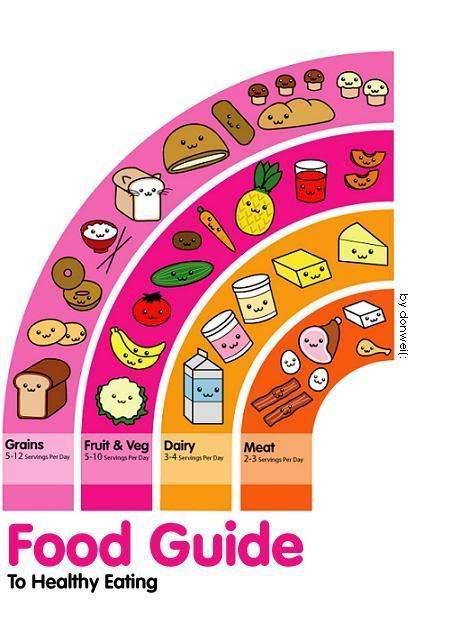
food guides
partial basecodes:jellyhearts*
image:donwei(: taking away this little portion is also known as sinning!(: